By
By
At the end of 2023, after working at HubSpot partner agencies for many years, I took the leap to freelance full time.
It's been an incredible journey so far, full of ups, downs, and tons of unexpected challenges.
All of the cliches are true: the flexibility is incredible, the revenue planning can be scary, and normal business hours don't apply.
I know it's not for everyone. There's a lot about choosing this path that they don't tell you. But overall, it's been the most fulfilling part of my career.
Here are some of the biggest lessons I've learned so far. If you're a freelancer or thinking about taking the leap yourself, I hope you find them helpful.
1. Time Management is Critical
 Being a full-time freelancer, especially one just starting out, means that there are very few external forces adding structure to your day. So, you've got to do it yourself.
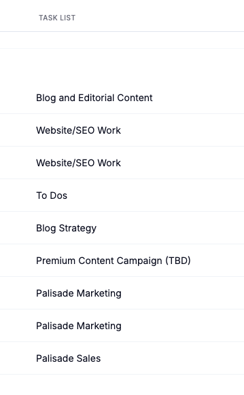
Ultimately, it comes down to discipline—but I found a few really helpful ways to hold myself accountable. The most impactful has been to have an organized project management system (I use Teamwork.com) that documents everything I need to do and when for both clients and my own business.
Building some recurring tasks that I get done every Monday and Friday helps me bookend my week and ensure that nothing slips through the cracks. Those tasks include:
-
Networking and sales outreach
-
Accounting and invoices
-
Creating my own content
- Research and skill-building
Of course, this is different for those who have kids at home or other responsibilities. For those folks, I imagine it's more about balancing all of the demands of your time and prioritizing dedicated time to get your work done in between.
2. Not Everyone Has the Same Quality Standards as You
I've been fortunate to work at a few places that held us to high standards and helped us develop the skills and expectations to a certain level. I recognize that not everyone gets that opportunity, and one of the best parts of working with others is to share what you know and learn from them in return.
The good news is that there are plenty of opportunities to encourage your clients or other freelancers you work with to do the work a certain way. You can try to set the standard or be an example, but there's only so much you can do when you don't work for the same organization (though to be fair, this is difficult even when you ARE part of the same organization!)
The bottom line is that you can only control what you do. So, focus on that and don't let the little stuff turn into the big stuff.
3. You'll Spend More Time Than You Think Just Chasing Payments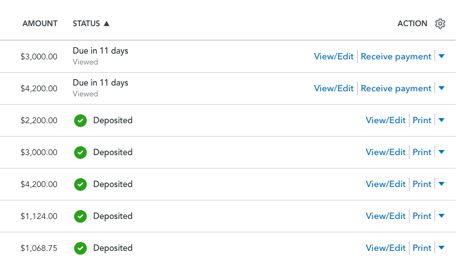
Like, a surprising amount.
Most of the time, this is just due to operational processes (invoicing systems, accounts payable, etc.) rather than any actual reluctance to pay on time. In fact, I've been really fortunate to work with many amazing clients that prioritize consistently paying their vendors quickly.
However, any business owner knows that chasing down payments comes with the territory. It's part of the job.
Be gracious and assume good intention, but don't be afraid to be the annoying person that follows up until you get paid. Advocate for yourself and your business.
4. You're Something Different to Every Client
Anyone who's worked at an agency knows exactly what I'm talking about.
For some of my clients, I'm effectively playing the Marketing Director role and managing large-scale strategy for the whole business. They don't have any internal folks with the right skill and experience to do this, so I'm managing everything from content strategy to social media to digital ads.
For others, I'm just a small part of a larger marketing team with a specific responsibility.
One client I'm working with, for example, has a robust marketing team of 5-6 employees and a really talented Director. They don't need help with their go-to-market strategy or optimizing their website—but they could use someone with HubSpot expertise to help them clean up their portal, create more automation efficiencies, and take anything HubSpot-related off their plate.
That's just one example, but if you're a freelancer then you've got to be prepared to wear multiple hats at the same time.
5. Don't Take a Single Client for Granted
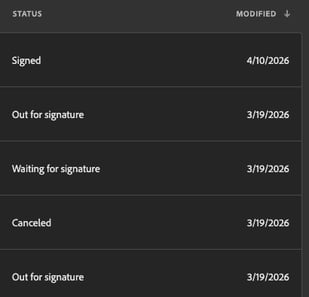 I can't tell you how many times I've been certain that a client was going to sign on the dotted line. They're excited about your proposal and they know you do great work, all that's left is making it official with the signed agreement which they promised by the end of the week.
And then...crickets.
Priorities change. Budgets shift. Turnovers happen. Decision-makers can be slippery.
Be prepared for this to happen, and know that we've all been there. Some of my most positive and exciting sales calls ended up going cold on me. It's frustrating, of course, but that's sales, baby.
The important thing here is not to take it for granted. Don't fall for the trap (as I have done) when you're doing your revenue planning and say to yourself something like, "Okay Client X is signed through the next 6 months, and Client Y is definitely going to sign next week which means I'll hit this number in recurring revenue..."
Sales forecasting is an important part of running a business. Just don't take anything for granted until you have a signed agreement in your hands.
6. Flexibility is Key, Especially with Software
No kidding, right now I am managing tasks in Trello for one client, Monday for another, and Asana for yet another.
Plus, I use TeamWork for my own tasks. It's my favorite project management system (and I've used them all!)
Obviously, managing your work across multiple different systems isn't ideal, but that's part of the freelance game.
Where else do you need to be flexible with your clients?
-
Schedules and meetings
-
Review and approval process
-
Billing process
- Everything!
7. Relationships Are Everything
Business is business. That will never change.
However, business is a lot easier when you have a genuine connection with your clients.
Build relationships with your clients that are collaborative, not transactional. When it's simply an exchange of services for an invoice, it can be easily discarded when things change—even if the work is great.
Show that you care. Remember what they tell you. Share. Ask about their weekend. Take initiative. Don't make them remind you multiple times to do something.
I once heard someone say, "The best marketing strategy for a freelancer is to be likable and easy to work with."
It's true.
8. Don't Stop Professional Development
This is an easy one to let slip when you're freelancing.
There are no company-wide training initiatives. No manager encouraging you to learn new skills. You have to do it yourself.
So keep learning, reading, attending virtual events, etc. It's really important. I've worked with freelancers where it was clear that they hadn't learned anything new in 10+ years and the marketing world had passed them by without them even realizing it.
Personally, I love podcasts about freelancing and learn a ton from them. I don't always have time to read, but I spend hours walking my dog every week so podcasts are perfect for me. I really like Freelance to Founder, and they also run amazing virtual summits from time to time.
9. Take Care of Your Freelance Finances
Disclaimer: I am not a financial expert and cannot give financial advice.
Taxes are completely different when you're freelancing. When you have a W2 job, your employer withholds taxes from your paycheck. But, when you get a check from a client, you still have to pay taxes on it.
So, set aside ~25% of your revenue and keep it in a separate account, and don't touch it except for paying your quarterly tax estimates.
This was something I was on top of from the beginning, but I know freelancers and small business owners who did this and got completely burned come tax time. Don't let this be you!
I recommend speaking with an accountant to make sure you're taking care of your finances properly.
10. Do What it Takes to Stay in the Room
"The best ability is availability," as the old saying goes.
Say visible to your clients so that you're at the top of the list the next time they need help. Check in, follow up, take on small projects to stay visible.
Sometimes that may mean dropping rates temporarily or selling smaller bridge contracts.
This is a bit controversial, and not all freelancers or agency owners will agree with me on that. You could argue that dropping your rates sets dangerous precedents.
But to me, you're building the long-term relationship to help them see you as part of the team. If you deliver high-quality work and they're the right fit client for you, you'll have higher earning potential in the long run.
About Tim Wirzburger
 Hi, I'm Tim! I've worked in digital marketing for my whole career and I am now a full-time content marketing freelancer. These are just a few of the lessons I've learned so far, but there have been countless others.
My goal is to help businesses reach new heights with their marketing, website, and SEO strategy. I'd love to help you build a clear content plan, drive more organic traffic, and turn your website into a key part of your sales engine. Contact me to get started!